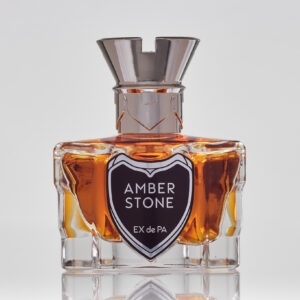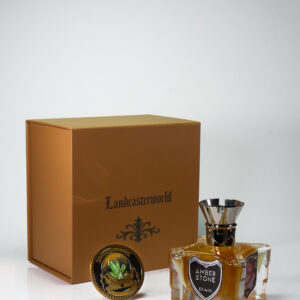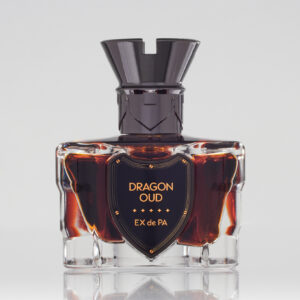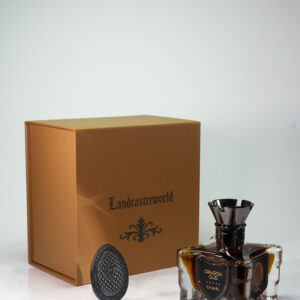
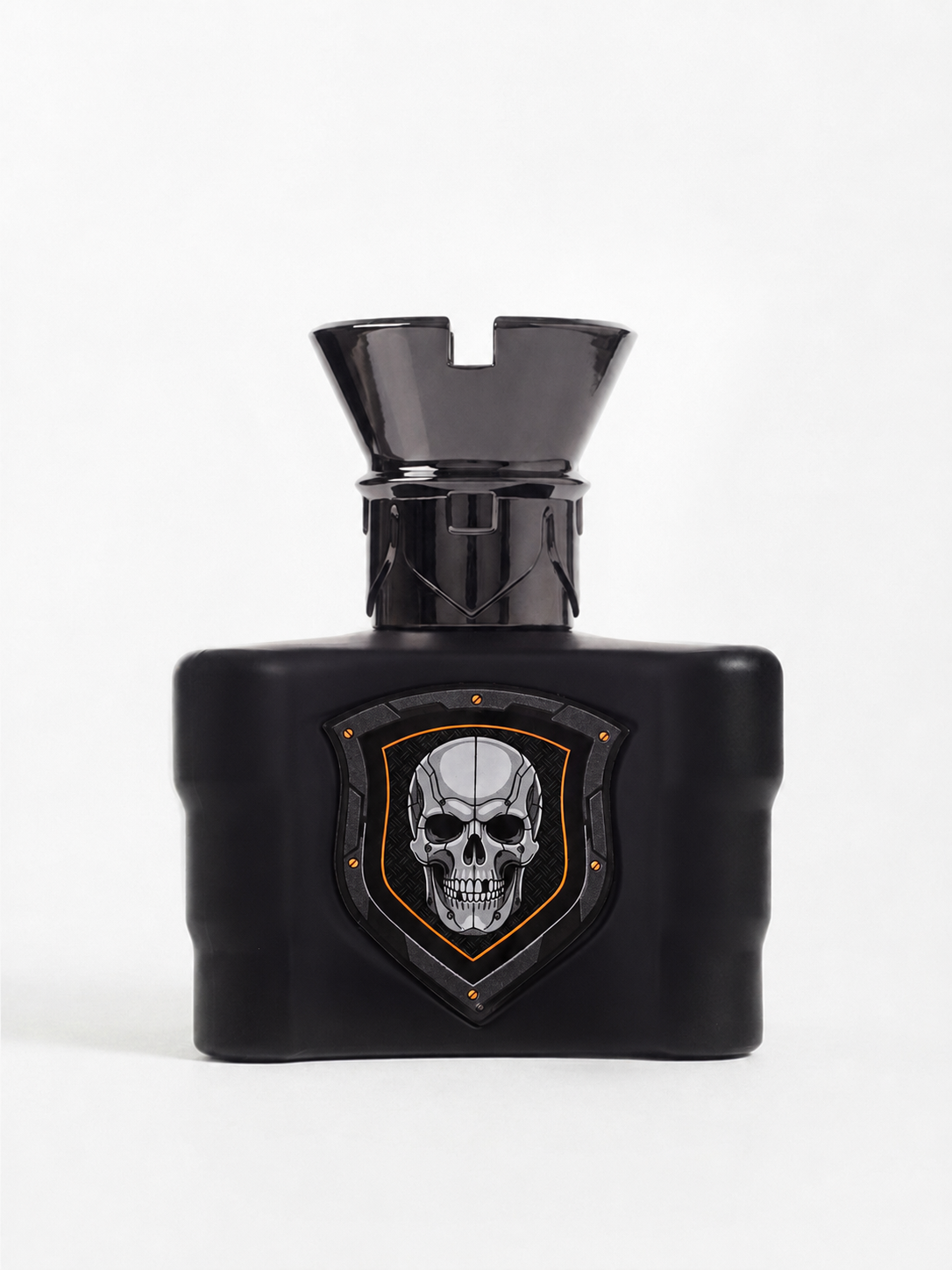
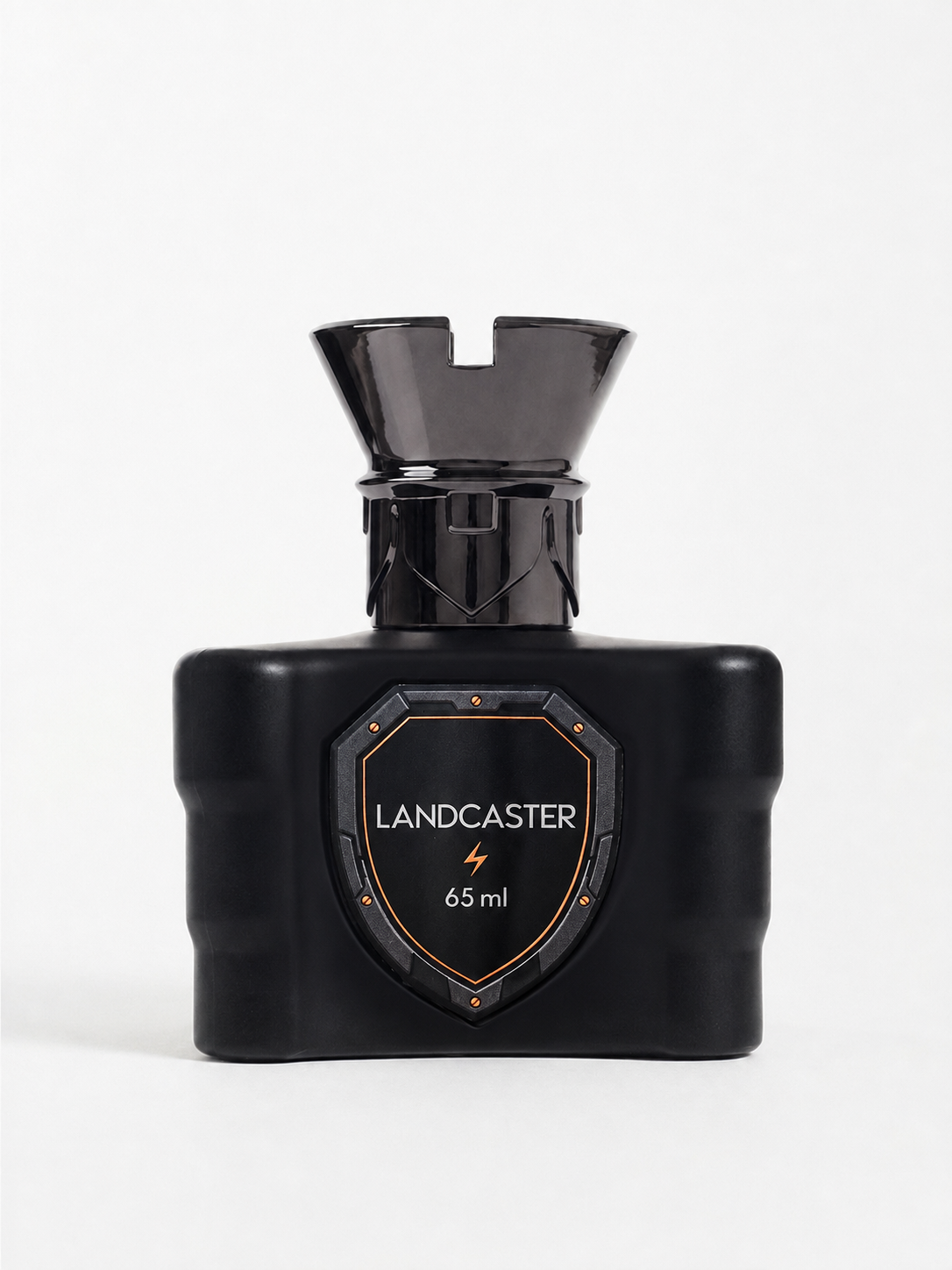
Important combinations in the fragrance:
Mandarin × Vietnamese Oud × Mace
For this formula, I chose a natural Vietnamese oud with a drier, smokier profile. Mandarin literally boosts the whole composition at the opening with its fast-moving molecules, creating a sense of movement and helping the other materials open up more quickly. At the very beginning, there is a pleasant, slightly tart freshness.
+
Dragon Blood Resin
I compared four different natural Dragon Blood resins over the course of almost a year before the first collection was released, eventually choosing the one with the right dryness, density and depth. I originally tested this resin for Dragon Oud from the first collection, but it never made it into the final formula. Its character worked much better in this composition from the second collection.
+
Orris Concrete × Lavender
The Orris Concrete is almost impossible to pick out here as a separate note. It slightly dries out the texture of the composition and adds just a trace of powderiness.
+
Styrax × Two Tobacco Extracts
One tobacco extract on its own turned out to be too direct and overly powerful in my perfume trials. So the final formula uses two different tobacco profiles: one is drier and woodier, while the other is denser, darker and almost leathery. Two different tobaccos work better here than one.
+
Opoponax × Hay Absolute
Hay Absolute adds the impression of dried plants warmed by the sun, with a subtle honeyed facet. It also makes the Opoponax feel less sweet and heavy than resins often do when smelled on their own.
+
Vietnamese Oud
The natural Vietnamese oud stays in the composition longer than most of the other materials. It comes back again at the very end and remains noticeable on a blotter, skin or fabric long after the other notes have faded. It is persistent, but it never overwhelms the composition.
An interesting fact from the creator:
The story of this Vietnamese oud began even before Landcaster existed as a perfume brand. I travelled to Vietnam several times specifically to visit a small village around four to five hours from Ho Chi Minh City, where I could see the oud production process myself and get to know the person who was distilling the oil. During my first trips, I worked directly with the father of the family. He had been distilling oud for many years and eventually began making a separate version of the oil for me, with the particular profile I was looking for in future compositions. When I returned to Vietnam in 2026, he was no longer there. His son had continued the work. Before that, the son had mainly been involved in growing durians, but he had also learned from his father how to work with agarwood and how to distill the oil, so the production remained within the family. During that trip, I was able to purchase a sufficient quantity of the same oud that his father had previously prepared especially for me. For me, this material became a continuation of the work of someone I had met even before launching the brand – now preserved and carried on by his son.
Related products